If you’ve ordered Xenith helmets for your team, stocked them in your shop, or put one on your kid before a game, you’ve probably heard something unsettling. Maybe a coach mentioned it. Maybe you saw something on social media. Either way, you want a straight answer about what’s actually happening with Xenith.
Here’s what the documented facts show — what Xenith announced, what Riddell’s asset acquisition actually means, and what you should do right now if you own, use, or sell Xenith equipment.
What Xenith Announced in January 2025
In early January 2025, Xenith sent a letter to its customers stating it would “pause operations” effective January 10, 2025. The letter, addressed to “valued customers,” came from the company directly and was later reported by the National Sporting Goods Association (NSGA).
The key details from that letter:
- Xenith would stop accepting new orders after January 10, 2025.
- Any exceptions would be evaluated on a case-by-case basis.
- Only in-stock inventory would remain available through Xenith’s website.
- Customer service was directed to cs@xenith.com, meaning limited support was still in place.
One thing worth noting: Xenith did not use the words “closing,” “bankrupt,” or “shutting down” anywhere in its official communication. That distinction matters, and we’ll get into why.
The Difference Between Pausing Operations and Going Out of Business
“Pausing operations” is not the same as filing for bankruptcy or dissolving a company. As of the available public information, Xenith has not declared bankruptcy. Supplier analysis from Accio explicitly confirms this, describing the company’s future as “uncertain” rather than finished.
That said, the practical reality is hard to spin positively. No new products are being manufactured. Standard orders aren’t being accepted. For anyone who depends on Xenith gear, the day-to-day impact feels a lot like a shutdown — even if the legal status isn’t there yet.
A useful comparison: think of a retail chain that closes all its stores but still exists as a legal entity. Products are still circulating in the market. Some limited support may still be reachable. But new production has stopped, and the brand’s future is genuinely unclear.
That’s where Xenith sits right now — effectively inactive as a manufacturer, but not formally dissolved or bankrupt.
Riddell Acquired Xenith’s Assets — Here Is What That Actually Means
After Xenith paused operations, the NSGA reported that Riddell acquired the assets of Xenith. This is a significant development, but it’s also been widely misread.
An asset acquisition is not the same as buying a company outright. When Riddell acquired Xenith’s assets, it likely purchased intellectual property, inventory, equipment, and potentially brand rights. What it did not necessarily do is take over Xenith as a functioning, operating business.
Here’s a simple way to think about it: imagine a restaurant closes its doors. Someone else buys the kitchen equipment, the recipes, and maybe the name above the door. The restaurant is still closed. The original staff isn’t working. But another business now owns the tools and could, in theory, use them someday. That’s roughly what an asset purchase looks like.
There is also a rumor circulating on social media that Xenith was purchased and deliberately shut down by a rival helmet company. This claim is not confirmed by any official source. Riddell did acquire Xenith’s assets, but there is no verified evidence that the acquisition was made specifically to eliminate a competitor and suppress the brand. Treat that story as an unconfirmed rumor until there’s official documentation.
As of now, no public plan has been announced for reviving Xenith as a standalone brand or folding its helmet designs into Riddell’s product lineup. Both possibilities exist. Neither has been confirmed.
What This Means for Players, Teams, and Retailers Right Now
This is where the news becomes practical. The answer looks different depending on your role.
For Teams and Athletic Directors
A business pause does not automatically make existing Xenith helmets unsafe. Helmet safety depends on the helmet’s physical condition, proper reconditioning, and whether the model still meets current league standards — not on whether the manufacturer is currently active.
If your program uses Xenith equipment, here are the steps that make sense right now:
- Take inventory of all Xenith helmets and pads you currently have.
- Check with retailers for remaining stock of replacement parts, pads, and facemasks while they’re still available.
- Contact Xenith’s customer service at cs@xenith.com or reach out to Riddell directly for warranty and reconditioning guidance.
- Review the most recent NFL/NFLPA helmet study to compare alternative brands for future purchases.
Also worth knowing: Xenith was omitted from the 2025 NFL/NFLPA helmet study. That’s not a safety condemnation of helmets already in use, but it does affect how leagues and coaches evaluate the brand going forward.
For Parents of Youth Players
If your child already wears a Xenith helmet, don’t panic. The company pausing operations doesn’t mean the helmet on their head is suddenly defective. What matters is whether the helmet is in good condition, has been properly reconditioned if needed, and is approved by your child’s league.
Talk to your equipment manager or league coordinator about which helmet models are currently approved. If you’re thinking about a replacement, now is a reasonable time to start comparing options from brands that are still actively manufacturing.
For Retailers
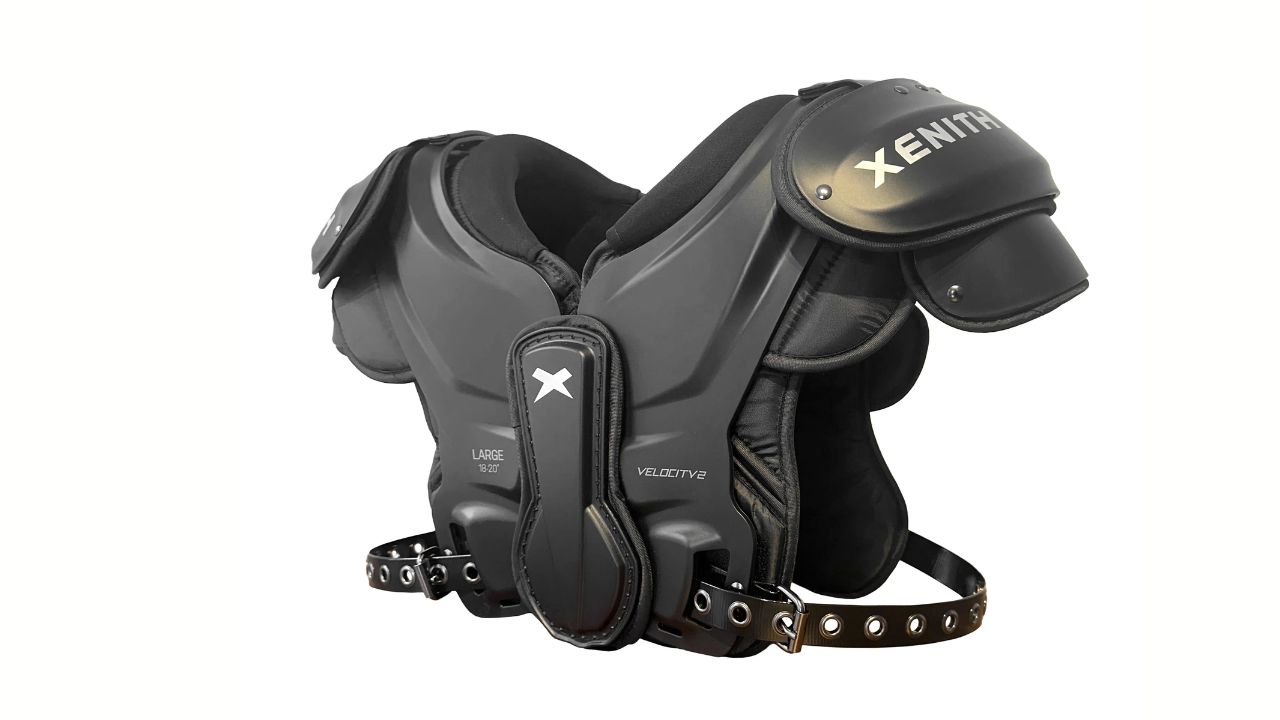
Retailers like Forelle have already acknowledged the situation and are positioning remaining Xenith inventory — including helmets like the Velocity 2 — as end-of-line stock available while supplies last. If you carry Xenith products, that’s the honest framing your customers need to hear too.
Manage your remaining Xenith inventory carefully. Be upfront with customers about the operational pause and the lack of confirmed restocking. Asset acquisitions like the Riddell deal often lead to end-of-line sell-through, not a product revival — though that’s not guaranteed either way.
For broader context on how businesses navigate supplier disruptions and brand transitions, resources like Master Business View can be useful for staying on top of industry shifts that affect sourcing and product decisions.
Don’t Confuse Xenith the Helmet Company With Other Businesses Named Xenith
If you’ve been searching this topic online, you may have come across UK companies with the name Xenith — including XENITH HEIGHTS LIMITED (dissolved in April 2024) and XENITH LIMITED, a computer equipment wholesaler based in Solihull. These are entirely separate businesses with no connection to the Detroit-based football equipment manufacturer.
Any news about those UK entities has no bearing on Xenith’s football helmets or the Riddell acquisition. It’s worth being aware of this if you’re doing research, since mixed search results can create unnecessary confusion.
The Bottom Line
So, is Xenith going out of business? Here’s the honest answer based on what’s confirmed:
- Xenith paused operations on January 10, 2025.
- The company has not filed for bankruptcy, but its future is genuinely uncertain.
- Riddell acquired Xenith’s assets — not the operating company itself.
- No new Xenith products are being manufactured.
- Limited inventory and limited customer support remain in the short term.
- No official plan exists to revive or retire the brand permanently.
For all practical purposes, Xenith as an independent manufacturer is inactive. Whether Riddell eventually does something with those acquired assets — or the brand disappears entirely — is still an open question.
If you’re a team, parent, or retailer, the smart move right now is to work with what you have, source remaining stock before it runs out, and start evaluating alternatives for future seasons. Don’t wait for an official announcement that may not come for months.
Also Read: